I can finally (and rather proudly) say that I finished reading Ayn Rand’s The Fountainhead. The sheer size of this book was enough to dissuade me from finishing it in the past. I either got tired of lugging it around or gave up on losing my bookmark. Clearly, orderliness is not my strongest suit. So what changed this time? Humble old Kindle. My mom’s discarded gadget really helped me pull through and I finished reading this book in less than 2 weeks. ( I am going to let you judge me, but 752 pages isn’t a short read)
I spent the past decade of my life reading the few chapters that set up the main characters of the plot. And each time I picked it up, each character created a different bearing in my head. I thought of Roark, Keating, and Gail so differently. I think this is a good way to know how much I have changed as a person in my 28 years of existence. This blog post is a reflection of my impressions of the character, especially Roark, and what I aim to take away from this famous book.
As a 15-year-old still in school, all I could get was how effortlessly smart Roark was and how much I wanted to be like him. I needed that validation. I was hopelessly jealous of Dominque’s physical attributes and saw Keating merely as a disturbance to the love Roark and Domonique had for each other. Then, for a 21-year-old fresh Civil engineering grad, Roark was an embodiment of the angry young man. He seemed like the perfect rebel disregarding everyone’s opinions and living aloof from society. Now, I think Roark wasn’t just a rebel. Roark was one with nature because he didn’t depend on anything societal to find a life worth living. He was extremely comfortable in his own skin.
Roark’s character is interesting because he represents an individualist who stays true to his principles and vision. He doesn’t compromise his ideals for the sake of societal norms or materialistic gains. Roark’s philosophy is reflected in his approach to his work as an architect, where he values his creative vision and integrity above all else. He believes that architecture should be a reflection of the individual’s creative vision and not a product of societal expectations.
The last thing I want to do is be a Keating. The world is full of them. The lust for name, fame, materialistic gains, and getting by with mediocrity. I feel guilty for being an engineer aspiring to do an MBA, because somewhere down the line this is what most Keatings do. Toohey and Wynand tasted success like no other, but all the externality is to hide their fragile egos which keeps them eternally unhappy and in constant need of validation.
Roark’s character has taught me a valuable lesson in the importance of staying true to one’s principles and vision. In a world where conformity and the pursuit of materialistic gains are often valued more than individuality and creativity, Roark’s character reminds me to stay true to my ideals and not compromise my integrity for societal norms or materialistic gains.
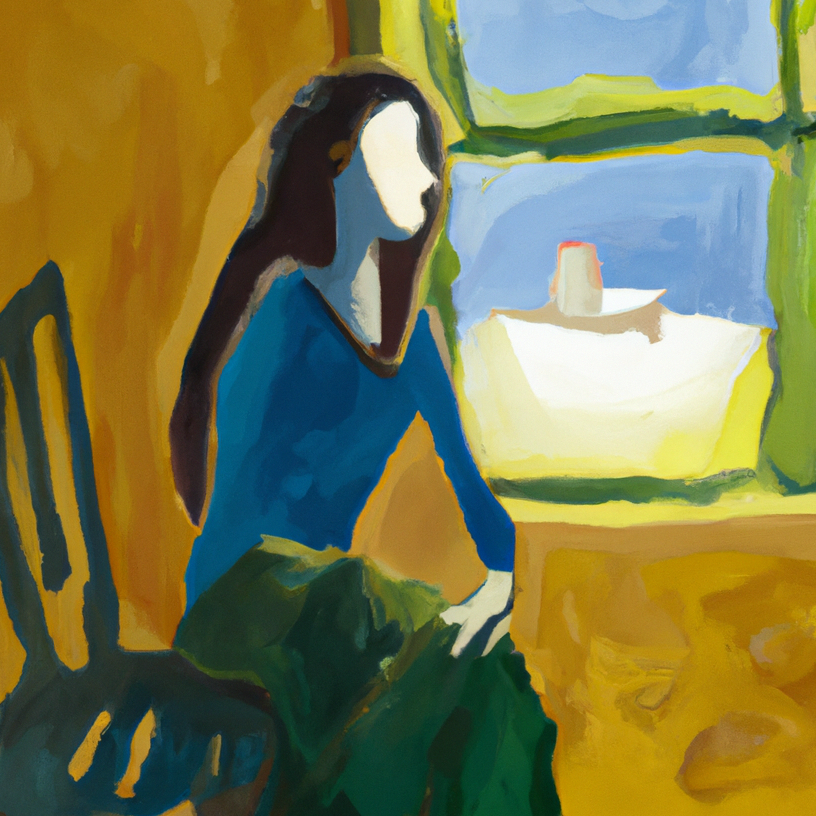
As an Indian woman with an upper-middle-class upbringing, protective parents, and now an immigrant trying to live the American dream I am torn between being ambitious, dutiful, and womanly. The construct of a perfect daughter, daughter-in-law, wife ( although this one is the most forgiving, bless my husband), friend, co-worker, etc is overwhelming. I am in constant conflict between my natural tendencies towards empathy and people-loving, and my sensitivity towards negative experiences or emotions. This internal struggle leads to endless confusion about my values and can make it difficult to navigate my interactions with others.
I have identified different areas of my life where I can maximize my potential and find fulfillment. For example, in my work, I aim to create systems that maximize the productivity of others and stimulate me intellectually. At home, I love to cook dishes that create happy memories for my family and stimulate me emotionally. And if I own a business someday, I want to provide livelihood and upward mobility, maximizing shared value and nourishing lives.
My key takeaway from this book is living a fulfilling life is about finding a balance between my personal and professional goals while staying true to my values and principles. By embracing my individuality, creativity, and unique talents, I can maximize my potential and make a positive impact on the world around me.

 Little wins